
How a Cohesive Brand, Website & App Grow Your Business
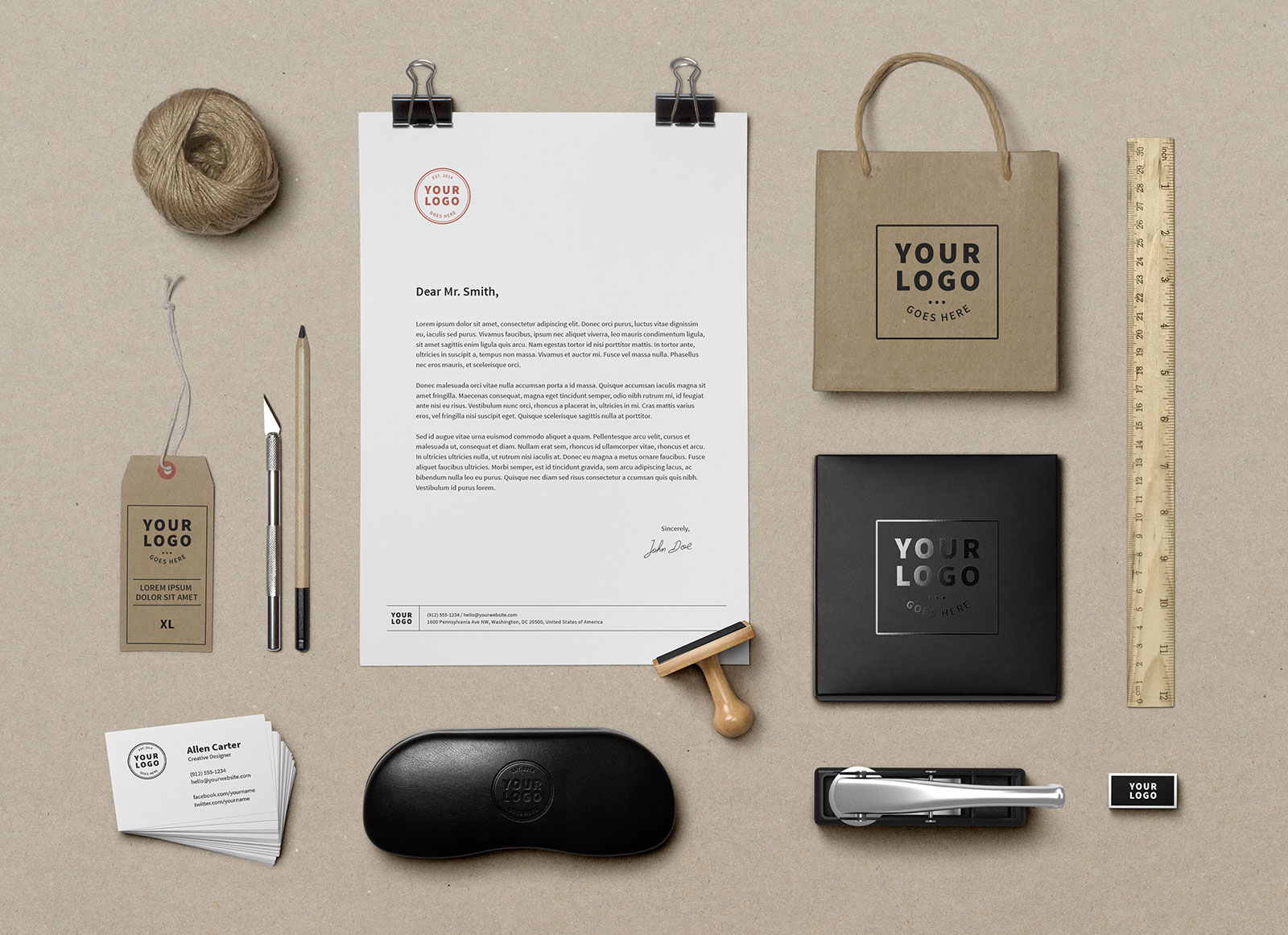
A strong logo, consistent brand identity, and a fast, SEO‑friendly website or app can turn casual visitors into loyal customers. Here’s how to build that system step by step.
Why “good design” is no longer optional
Ten years ago, you could get away with a basic logo and a simple one‑page site. Today, your customer’s first impression of your business is almost always visual: a social media profile, a search result, a landing page or an app screen.
If those touchpoints feel inconsistent or outdated, people assume the same about your service.
At Ubunzi Studio, we see the same pattern over and over: once a brand invests in a cohesive logo, brand identity, website, and (when needed) an app, their sales calls and conversions get noticeably easier. Prospects show up already trusting them.
This article breaks down how to get there—without wasting months on design trends that don’t move the needle.
Step 1: Start with a clear logo & brand identity
Your logo and brand identity are not just a “nice‑to‑have” graphic. They are a system that tells people:
• What you stand for
• Who you serve
• Why you’re different
A good brand identity includes:
• Logo system – main logo, icon, and simplified mark for tiny spaces
• Color palette – a primary color (like Ubunzi’s green) plus neutral support colors
• Typography – clear heading and body fonts that work on web and print
• Layout rules – spacing, grid, and how to place elements consistently
When your logo and brand rules are clear, every other piece—stationery, website, social posts, app UI—builds trust instead of fighting each other.
Step 2: Translate the brand into stationery that people remember
Even in a digital world, physical touchpoints still matter. A client who receives a well‑designed card, proposal, or invoice is more likely to treat your business as a serious partner.
Effective stationery design usually includes:
• Business cards that are easy to read and visually distinctive
• Letterheads and invoices that look consistent with your website
• Envelopes, folders, or presentation covers for proposals
For small and growing businesses, the goal is clarity and consistency, not complexity. Clean layouts, enough white space, and the right hierarchy of information are more important than experimental printing tricks.
Step 3: Turn your website into a 24/7 sales engine
Your website is often the first “employee” your prospects meet. It should do three things extremely well:
1. Make the offer obvious. Above the fold, visitors should understand who you help, what you do, and what they should do next.
2. Build trust quickly. Show results, testimonials (“What clients say”), and examples of your work.
3. Convert quietly. Clear CTAs (“Start your project”, “Contact us”), simple forms, and friction‑free navigation.
From a technical perspective, modern website development should be:
• SEO‑friendly by default – proper meta tags, fast loading, mobile‑first layouts
• Fast and accessible – clean code, good contrast, responsive behavior
• Easy to maintain – a structured CMS (like Sanity) and a framework such as Next.js
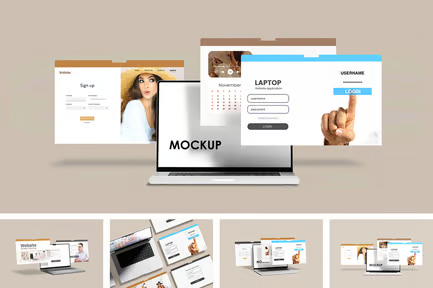
At Ubunzi Studio, we use this foundation for every website: performance, accessibility, and SEO are built in from the start, not bolted on later.
Step 4: Add AI features where they actually help
AI is everywhere—but not every project needs a chatbot on the home page.
Instead of adding AI just because it’s trendy, ask:
• Can AI help answer common pre‑sale questions faster?
• Can it personalise content or recommendations in a way that actually improves conversions?
• Can it save your team time on repetitive tasks (summaries, FAQs, onboarding)?
Good AI websites and apps feel practical, not gimmicky. The design should make the AI feel like a natural part of your product, not a separate “magic trick”.

Step 5: When it’s time, extend your experience into a mobile app
Not every business needs a mobile app, but for products that involve:
• Frequent repeat usage
• Push notifications or offline access
• On‑the‑go workflows (delivery, bookings, field work)
A well‑designed mobile app can dramatically improve engagement.
The key is alignment:
• The app UI should feel like a natural extension of your website and brand.
• The flows (sign‑up, onboarding, dashboards) should echo what users already learned on your site.
• The technical stack should be chosen with growth in mind (React Native, Flutter, or other modern frameworks).
How Ubunzi Studio ties it all together
Many teams get stuck trying to coordinate different freelancers for logo, website, and app. The result is often a mash‑up of styles and code that’s hard to maintain.
Ubunzi Studio is structured differently:
1. One brand system — logo, colors, typography, and layout rules defined once.
2. One digital foundation — a modern tech stack (Next.js + Sanity + modern tooling).
3. Multiple surfaces — website, AI features, and mobile apps that look and feel consistent.
If you’re planning a new brand, website, or product, you don’t need to write a 40‑page brief. Start small:
• List your top 3 business goals for the next 6–12 months.
• Note the 3 most important user actions (book a call, request a quote, sign up, etc.).
• Gather any existing materials (logo, screenshots, pitch deck, moodboard).
With that, a focused studio can propose a plan that actually moves your metrics, not just your color palette.
Ready to level up your brand, website, or app?
If your logo, website, and product feel disconnected—or if you’re starting from scratch—this is the perfect time to invest in a cohesive system.
At Ubunzi Studio, we help you:
• Clarify your positioning and visual identity
• Build a fast, SEO‑friendly website that sells
• Add AI and mobile experiences when they make real business sense
When your brand, website, and product work together, you don’t have to “convince” people as hard—they can see the quality before you even get on a call.